AI Recruiting Platform: Why Most of Them Aren't Built for Your Hiring Problem
TL;DR: "AI recruiting platform" describes two very different categories of tool. Sourcing-side platforms find candidates who haven't applied yet. Screening-side platforms process candidates who already have. Most small businesses searching for an AI recruiting platform already have applicants, their problem is review capacity, not candidate volume, and buying the wrong type of tool wastes both money and time.
Search "AI recruiting platform" and you'll land on a stack of tools built for sourcing, finding passive candidates across LinkedIn, academic databases, and the open web, then running outbound sequences to get them to reply. Some of these platforms talk about searching 800 million profiles. Others are built for recruiting teams managing pipelines across dozens of open roles at once.
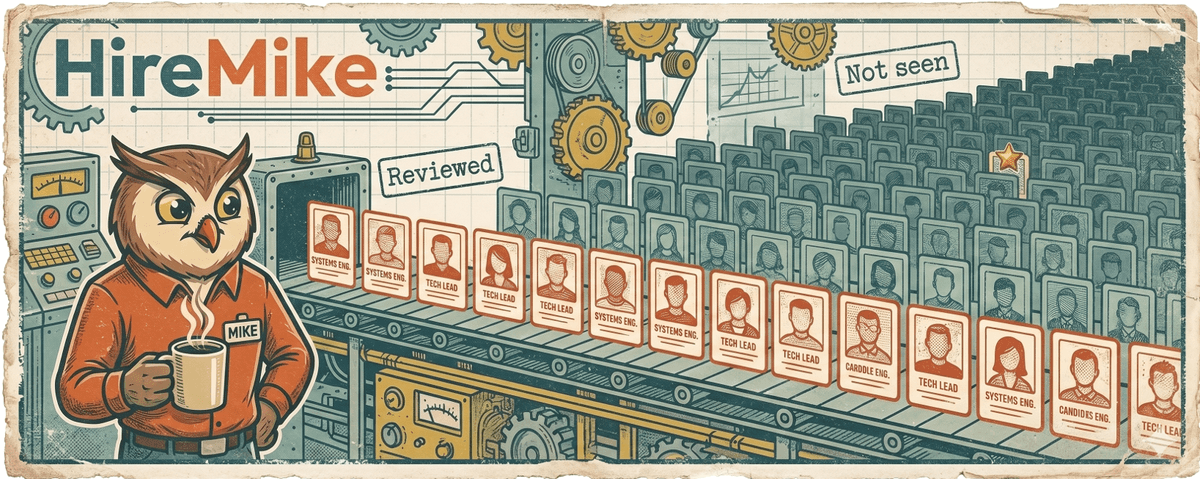
If you're a small business hiring your third or tenth employee, none of that describes your problem. You're not short on candidates. You posted a role, and now you have 60 applications sitting in an inbox, and no time to read them properly before Friday.
That's not a sourcing problem. It's a different category of tool entirely, and most of what ranks for "AI recruiting platform" doesn't mention it.
If you need the underlying hiring process before choosing software, HireMike's practical hiring resource hub shows how to define the role, screen applications, ask structured questions, and document the final decision.
There Are Two Kinds of AI Recruiting Platform
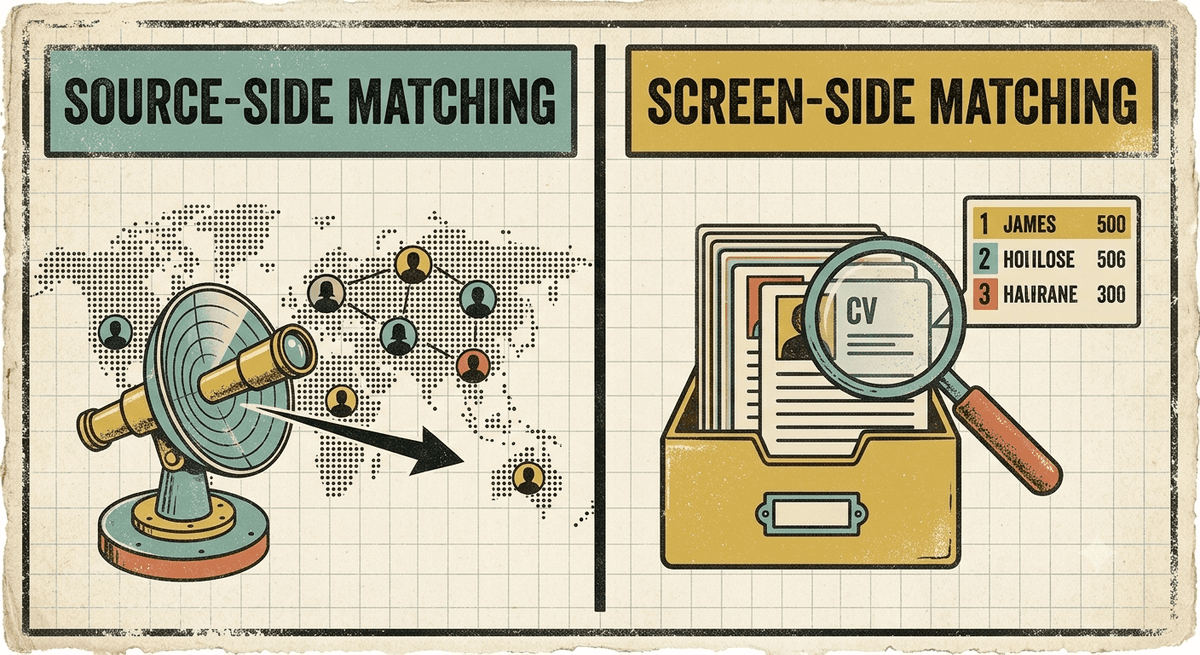
The term gets used as if it describes one thing. It doesn't.
Sourcing-side platforms are built to find people who haven't applied. They search the web for candidates matching a profile, run automated outreach, and try to get a reply from someone who wasn't looking. This is the right tool if your problem is that not enough of the right people know your role exists.
Screening-side platforms are built to process people who have already applied. They review CVs, run structured interviews, score and rank candidates, and surface a shortlist, so that by the time a hiring manager looks at anyone, the heavy lifting is done. This is the right tool if your problem is the opposite: too many applications, not enough hours to review them fairly.
If you are trying to decide whether that sounds like software, a recruiter, or something in between, the more practical framing is often what an AI recruiter actually does for a small business.
HireMike Insight Across the hiring workflows we've processed, the businesses searching for an "AI recruiting platform" are almost always assuming the sourcing-side definition, because that's what the term has come to mean online. But most small businesses asking this question already have applicants. What they're missing isn't candidates. It's review capacity.
This distinction matters because the two types of platform solve opposite problems, and buying the wrong one wastes both money and time. It's not a niche confusion either: adoption of AI somewhere in the HR function is now widespread enough across organisations of every size that "AI recruiting platform" has become an umbrella term covering tools that do almost nothing alike.
What a Screening-Side Platform Actually Does
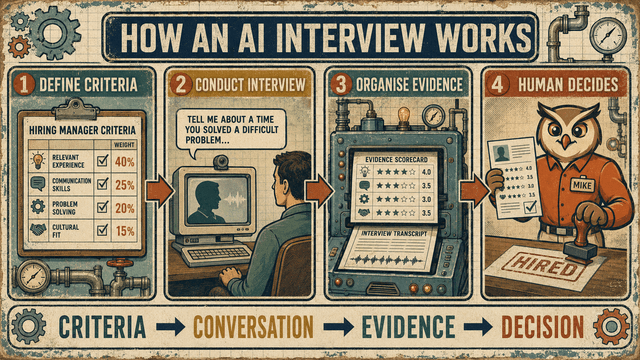
If your problem is review capacity, here's what a screening-focused AI recruiting platform should be doing, and why each part exists.
CV review against consistent criteria. Every applicant gets assessed against the same standard, including the ones who applied at 11pm on day four of the posting. Without this, the candidates who get attention are often just the ones who happened to apply early, before the inbox got overwhelming, not the strongest ones.
Structured interviews. Every candidate who passes initial review gets asked the same set of questions, designed to surface the same information. The point isn't to make the process feel automated; it's to make the comparison between candidates fair. Comparing notes from five different unstructured conversations is comparing five different things.
Ranking and shortlisting. Once candidates have been screened and interviewed, they get ranked against each other on the same criteria. This is the step that turns "I have 60 applications and don't know where to start" into "here are the five worth your time."
Scheduling. Coordinating interview times by email is one of the more reliable ways to lose a candidate to a faster-moving competitor. Automating this step isn't a nice-to-have, it's often the difference between a candidate who's still available and one who isn't.
HireMike Insight The structured interview step is where most DIY hiring processes break down first, not because hiring managers don't know it's a good idea, but because writing consistent questions for every applicant takes time most small business owners don't have between everything else they're doing. The screening step doesn't fail from lack of knowledge. It fails from lack of hours.
That lack of hours is structural, not incidental. Half of small business employees say the absence of a dedicated HR department contributes to a toxic workplace, and in most small businesses there is no HR department to begin with, just an owner or manager absorbing the work on top of everything else they run.
How to Tell Which One You Need
A short way to check which category of "AI recruiting platform" actually applies to you:
If you post a role and weeks go by with barely any applications, or the applications you do get aren't close to what you're looking for, that's a sourcing problem. You need a platform that goes and finds people.
If you post a role and within days you have more applications than you can read carefully, or you find yourself only properly reviewing the first batch that came in because that's all you had time for, that's a screening problem. You need a platform that processes what you already have.
Most small businesses, once they post a role on a couple of job boards, land in the second category. The applications come. The bottleneck is what happens to them after they arrive.
What to Look For If Screening Is Your Bottleneck
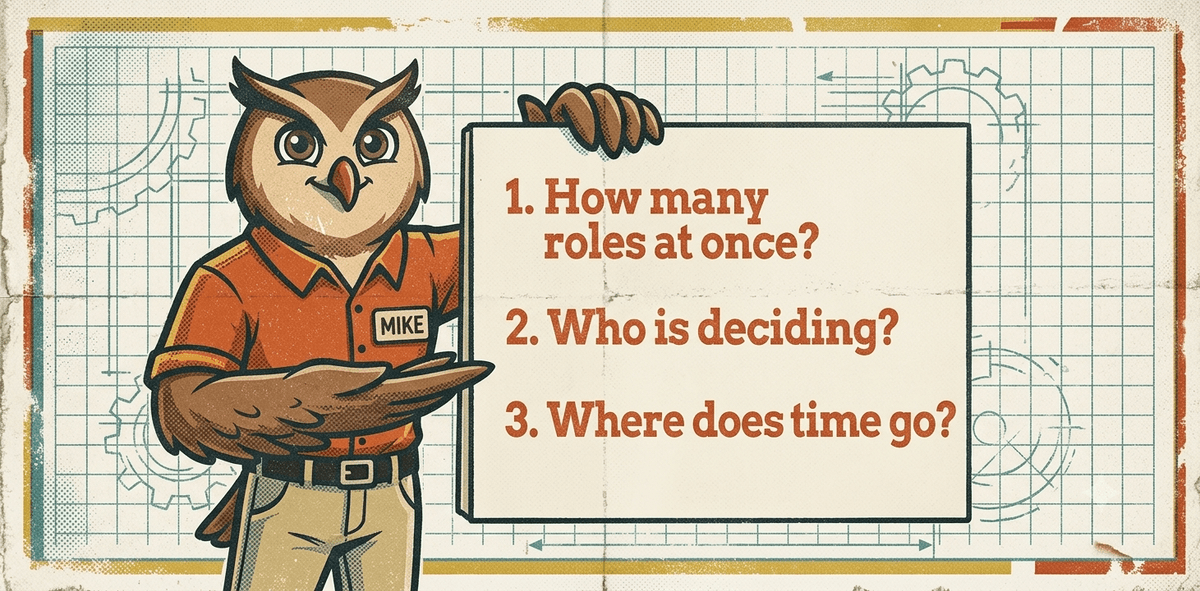
If that's the problem you have, a few things worth checking before you commit to a tool:
Pricing that matches how often you hire. A small business might hire twice a year. A subscription priced for a recruiting team running constant pipelines doesn't reflect that. Pay-per-use pricing, where the cost scales with the number of applicants screened, fits the way small businesses actually hire.
A clear line between what the AI does and what you decide. The screening should be automated. The decision to advance, interview, or hire someone shouldn't be. Any platform that blurs this line, or implies the AI is making hiring decisions, is solving a different problem than the one you have, which is needing better information to make your own decision faster.
No contract. If a tool is solving a review-capacity problem that comes and goes with your hiring needs, a long-term contract is a mismatch with the problem itself.
First-round interviews and structured screening are the start of a hiring process, not the end of one, the final call on culture fit, team dynamics, and whether someone is right for this specific business at this specific moment stays exactly where it should: with you. To see that workflow in practice, read how HireMike works or start a role.
The Takeaway
"AI recruiting platform" isn't one category. If you're searching for one because you can't find enough candidates, you need a sourcing tool, and most of what ranks for this term will serve you well. But if you're searching for one because you already have candidates and not enough time to review them properly, you're looking for HireMike.